The Investment Legend and the Journey of Building a $160+ Billion Fortune
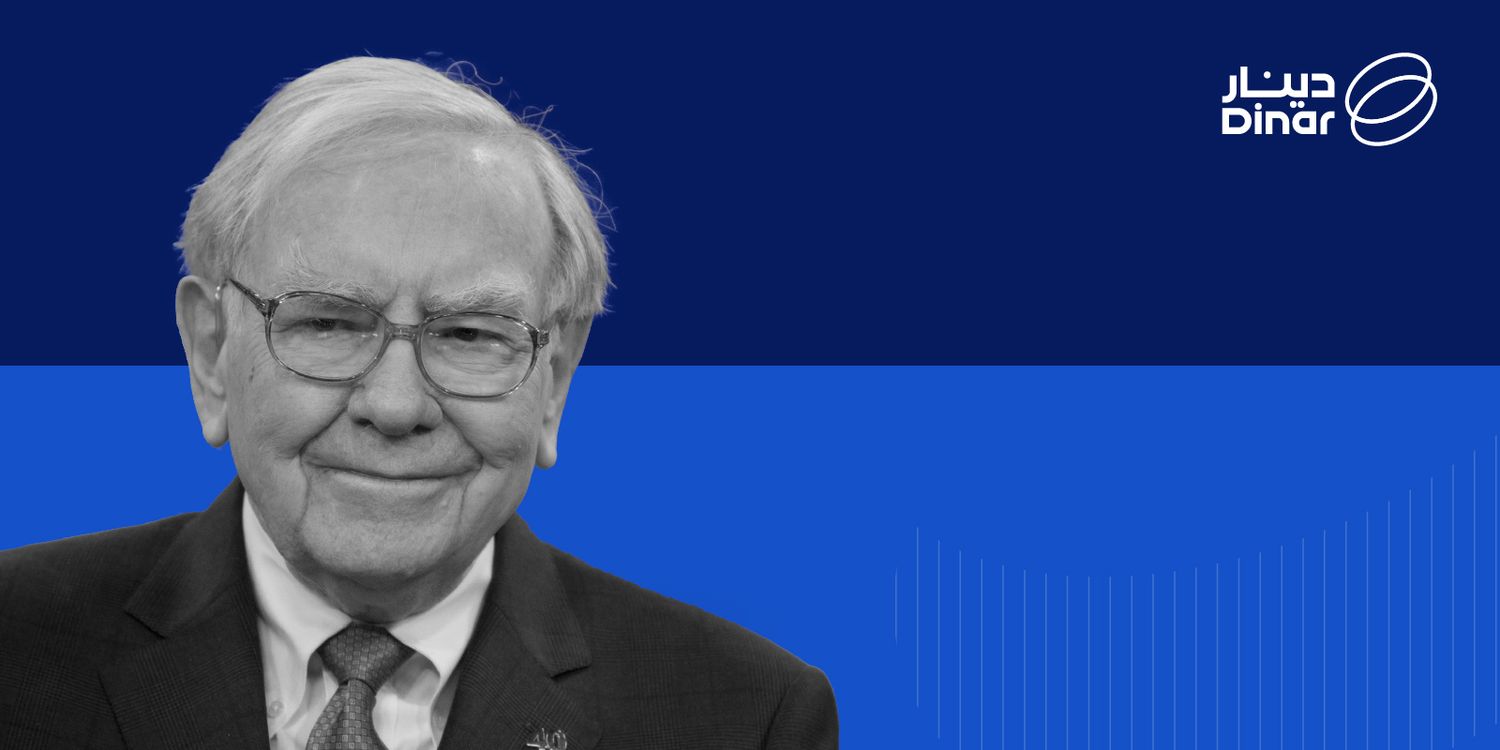
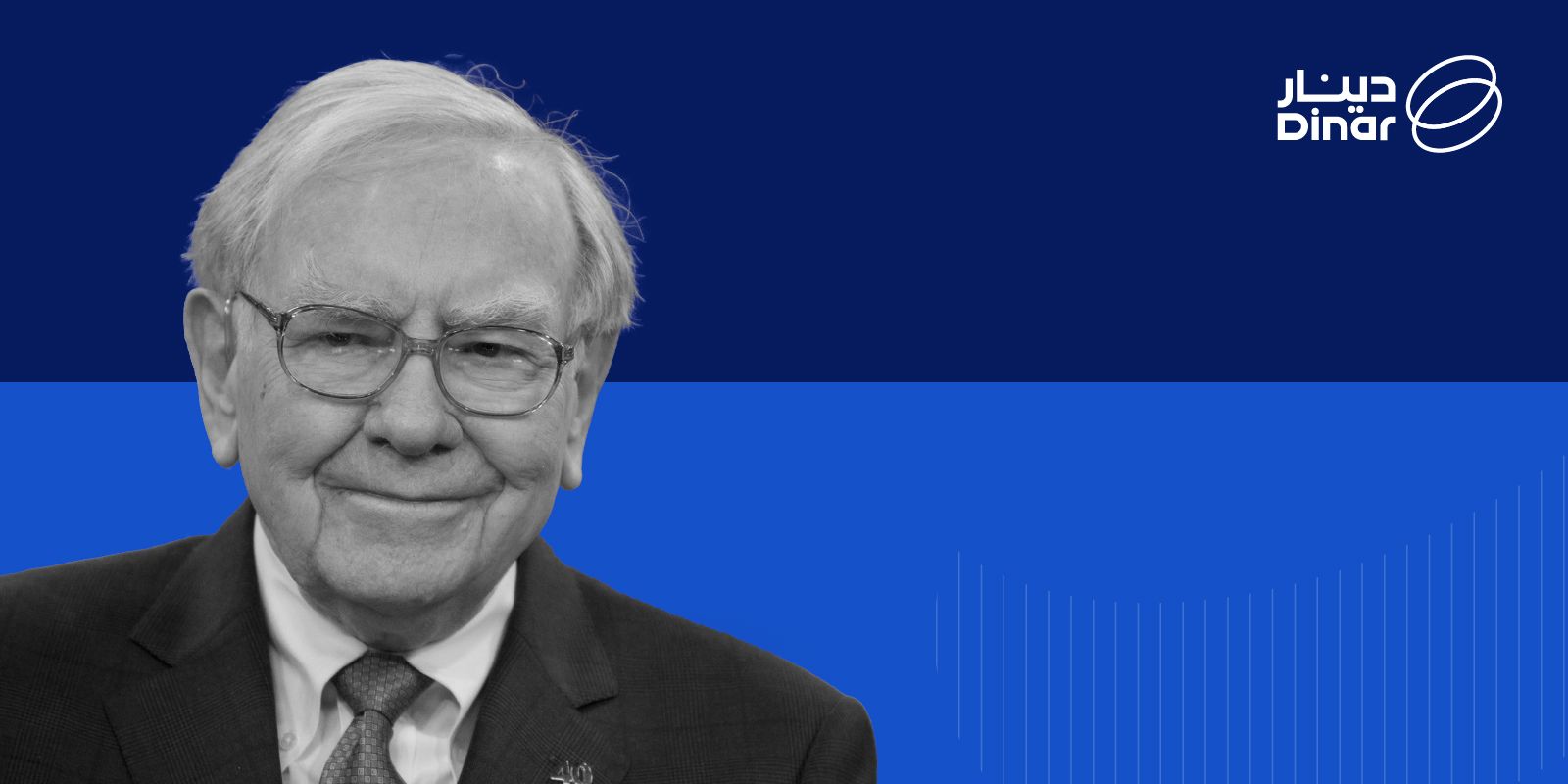
Warren Edward Buffett was born in August 1930 in Omaha, Nebraska, United States. From an early age, he showed a strong interest in money and business. He bought his first stock in Cities Service Preferred, an oil and electricity services company, for $38 per share. He sold it shortly afterward when the price rose to $40, only to watch it later climb to more than $200. This experience taught him one of the most important lessons of his life: the value of patience in investing.
After studying at the University of Nebraska and earning a Master of Business Administration from Columbia University, Buffett worked with his professor Benjamin Graham, from whom he learned the philosophy of value investing. In 1956, Buffett founded his own investment partnership, which later became the foundation for acquiring Berkshire Hathaway, a struggling textile company at the time. Buffett transformed it into a massive investment empire that now owns dozens of companies and manages one of the largest investment portfolios in the world.
Warren Buffett’s Investment Philosophy
Warren Buffett’s investment philosophy is based on what is known as value investing. This approach focuses on identifying strong companies with durable competitive advantages and efficient management, then buying their shares when they are trading below their intrinsic value.
Buffett often says that in the short term the market behaves like a voting machine, driven by emotions and speculation. However, in the long term it acts like a weighing machine, eventually reflecting the true value of companies. For this reason, Buffett strongly prefers long-term investing rather than short-term speculation.
He also emphasizes the importance of understanding a business before investing in it. Buffett avoids investing in industries he does not fully understand and encourages investors to “invest in what they know.” According to him, discipline and patience are far more important than exceptional intelligence when it comes to successful investing.
Buffett and Berkshire Hathaway
Warren Buffett’s name has been closely associated with Berkshire Hathaway for more than half a century. Under his leadership, the company transformed from a struggling textile manufacturer into a global investment powerhouse.
Today, Berkshire Hathaway owns companies across multiple industries, including insurance (GEICO), rail transportation (BNSF Railway), and energy (Berkshire Hathaway Energy). It also holds large stakes in major corporations such as Apple, Coca-Cola, and Bank of America.
Over the decades, Buffett established a unique management philosophy. He gives managers of Berkshire’s subsidiaries significant autonomy in their daily operations while maintaining a strong focus on long-term investments in high-quality businesses. This strategy has made Berkshire Hathaway one of the most successful companies in the history of the U.S. stock market.
Buffett’s Resignation as CEO
In mid-2025, Warren Buffett announced his resignation as Chief Executive Officer of Berkshire Hathaway after more than six decades of leadership. The decision had been anticipated for years, given that he had surpassed the age of 94.
A clear succession plan had already been prepared. Greg Abel assumed the role of CEO, while Buffett remained Chairman of the Board to help ensure the continuity of the company’s investment strategy and long-term vision.
This transition represents the end of an era and the beginning of a new chapter in Berkshire Hathaway’s history. However, Buffett’s legacy will remain deeply embedded in every investment decision and management philosophy within the company.
The Current Financial Picture of Buffett’s Portfolio
As of May 2025, Warren Buffett’s net worth reached approximately $160.2 billion, placing him among the five richest individuals in the world.
Meanwhile, the investment portfolio of Berkshire Hathaway was valued at around $269 billion, with major holdings in companies such as Apple, American Express, Bank of America, Coca-Cola, and Chevron.
In addition, Berkshire Hathaway holds an enormous cash reserve of approximately $325 billion, the largest cash position held by any American corporation. This liquidity provides Buffett and his team with significant flexibility to seize investment opportunities during market downturns.
What Can We Learn from Warren Buffett?
Warren Buffett’s story is not just about massive investments or impressive financial figures. It offers practical lessons that anyone can apply to their financial life.
The first lesson is that patience matters more than capital. Buffett built his fortune through long-term investing rather than short-term speculation.
The second lesson is the importance of understanding what you invest in. Buffett consistently advises investors to avoid buying shares in companies whose business models they do not understand.
The third lesson is that simplicity and discipline often outperform complexity. Instead of chasing market trends, Buffett focuses on strong and understandable businesses.
The fourth lesson involves responsible management of expenses and debt. Despite his enormous wealth, Buffett lives a relatively modest lifestyle and avoids unnecessary extravagance.
Finally, Buffett teaches that wealth is not an end in itself, but rather a tool that can be used to benefit society through philanthropy and charitable initiatives.
FAQs
What was Warren Buffett’s first investment?
Buffett’s first investment occurred when he was eleven years old. He bought shares of Cities Service Preferred at $38 each. This early experience taught him one of the most valuable lessons in investing: patience.
What is Warren Buffett’s investment philosophy?
Buffett’s philosophy is based on value investing, which involves buying strong companies with solid fundamentals at fair prices or below their intrinsic value and holding them for the long term.
What are the major investments in Warren Buffett’s current portfolio?
His most notable investments include companies such as Apple, American Express, Bank of America, Coca-Cola, and Chevron, which together represent a significant portion of Berkshire Hathaway’s portfolio.
Conclusion
Warren Buffett is not just a successful investor but an inspiring leader who transformed a struggling textile company into one of the greatest investment firms in the world.
His resignation as CEO in 2025 did not mark the end of his influence. Instead, it opened the door for his legacy to continue through the leaders who follow him at Berkshire Hathaway.
Buffett’s philosophy—built on patience, discipline, and value-based investing—will remain a lasting source of inspiration for investors around the world for decades to come.